

People describe it as a sieve, and the show just runs through
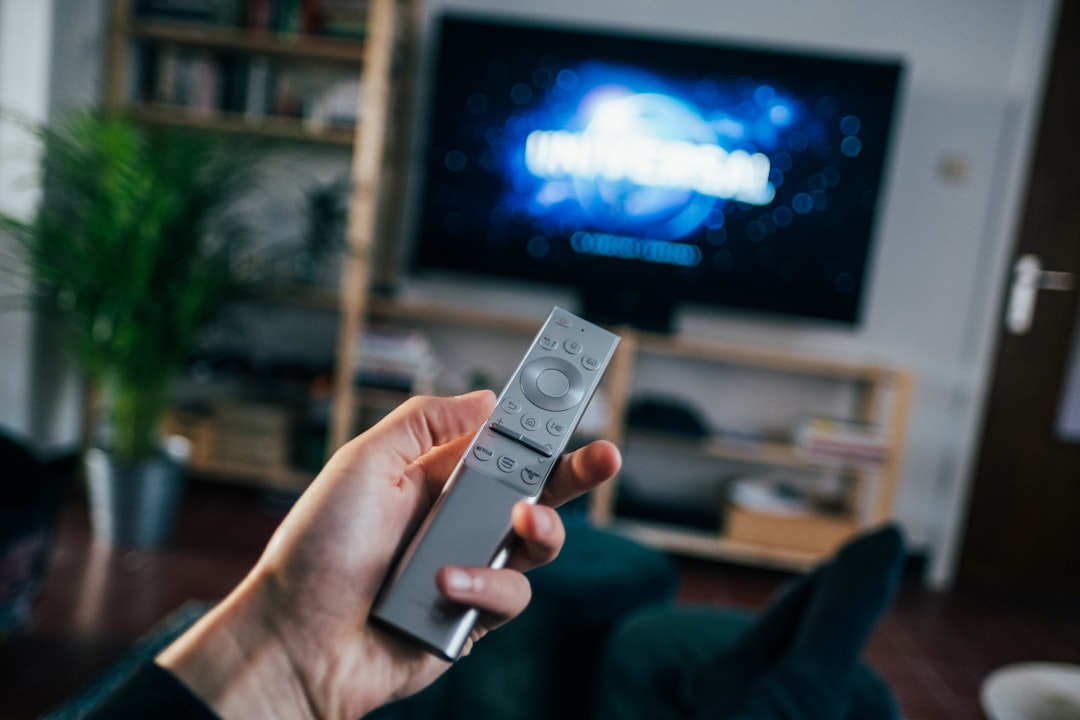
Ask around in any ADHD community and you will hear some version of the same complaint about television. People describe their memory as a sieve, specifically for movies and shows, where a plot needs telling twice before it catches on anything solid. A common refrain is finishing a whole season, fully invested in it the entire way through, and then going blank weeks later the moment a friend brings it up. Some describe a stranger version, getting a few episodes into a show and then forgetting they were watching it at all, the way an app vanishes off a phone's home screen after an update nobody remembers approving. If you have typed some version of "adhd forget what i watch" into a search bar at 11pm, worried about your own memory, you are naming one of the most common and least discussed parts of the experience.
Most of the episode never made it in while you were watching

The instinct is to call this forgetting, and that word smuggles in an assumption, since it implies the episode was once stored safely and then leaked out over time. Memory researchers draw a sharper line between losing something you once held and never encoding it in the first place. Encoding is the step where attention pushes a scene from the screen into something your brain can retrieve later, and it has to happen while the scene is still playing. What people describe about watching television lines up with the second explanation much more closely than the first. Those accounts are full of attention landing elsewhere mid-scene, on a face, on the score, on a phone brightening across the room, before any of it has settled. When an episode ends that way, there is little left to forget later, because most of the plot never got far enough into memory to be lost. A retrieval problem means something is buried in there somewhere, waiting on the right cue. An encoding problem means the work has to start earlier, right at the moment of watching, and that changes what any fix has to look like.
My friend Sam can name a washing machine's failure code and not the detective's name

My friend Sam has ADHD and runs a two-van appliance repair business, and last spring he started a detective show on his lunch breaks, one episode parked outside a customer's driveway with half a sandwich in one hand. Sam can rattle off the exact model number and failure code of nearly every washing machine he has opened in a decade of doing this work. By episode four, he could not name the detective. He had also gone still during a funeral scene two episodes earlier, unable to say afterward what had actually happened in it. He was not lying about liking the show and he was not being lazy about watching it. His attention had gone exactly where his job trained it to go, onto a compressor noise and the next address on his route, and the show played underneath that like something happening in another room. He told me later that trading the word forgetful for the words never encoded stopped him being annoyed at himself over something that was never a character flaw. I do not have ADHD myself, and I have still lost entire seasons of television to my own phone brightening during a slow scene, so I will not pretend to know what losing that fight this often is like.
There is a flip side here that gets far less airtime than the popular image of an ADHD brain locked onto one show for six hours straight. A common refrain describes exactly that kind of intense, engaged sitting, followed a week or two later by something closer to a blackout. That flip side surprised me most. Novelty comes up constantly in how people account for the pattern themselves. The instant a mystery resolves or a plot turns predictable, the pull of the show drops off hard, which explains why people rewatch a finished comfort show instead of starting the new one sitting in their queue. I am not going to hand you a mechanism for that, and I have not found a number on it worth quoting, though the pattern turns up often enough in people's own accounts to be worth planning around.
What to actually do tonight, since forcing focus backfires

The advice handed out most often here, pay closer attention next time, is the least useful thing anyone says about this, and people report it failing them for a plain reason. Watching while also monitoring how well you are watching is two jobs competing for the same ten minutes of screen time. What helps is smaller, and it happens once the episode is already over. The moment a show or a video ends, before you check your phone or queue up the next one, say out loud or write down one thing you want to keep: a line, a choice a character made, one image. That small act of pulling an idea back out of your own head has a name, the testing effect, and it is one of the more reliable findings in memory research. It works here because it aims at the encoding gap directly, without assuming the memory is already stored somewhere and only needs digging out. Do that once tonight, then bring the same detail back tomorrow, and once more a few days after that, since spacing is what keeps a fragile new memory from sliding away before it settles.
Doing this by hand for every show, video, and podcast you take in means maintaining an open-ended system, and open-ended systems are the ones that get abandoned around the second week. Friction does that to people, and plenty of readers without ADHD abandon the same notebook at the same point in the same month. This is the daily habit brainretain exists to carry for you, so that keeping it going does not depend on you remembering to remember. You Collect what you watch the same way you would bookmark it anywhere else, the show, the YouTube video, the podcast, and brainretain folds it into spaced review and pulls your whole day into one short recap quiz at night. There are no flashcards to build and no second system to keep alive on your own steam. I want to be careful about the claim I am making, because brainretain is not a treatment for ADHD and it does not change how anyone's attention works. The honest description is narrower, a memory habit that some people with ADHD find friendlier than a notebook or a note-taking app they know they will abandon, since the remembering-to-remember part gets handled for them.
Your brain did not break the show
Your brain did not break the show, and it did not break you either. Most of the episode never got filed away in the first place, and that step is the one a habit can actually reach, repeated on most of the nights you finish something. I will admit the habit takes real discipline some evenings, and building it still costs less than the alternative, slowly giving up on ever discussing a show you swear you loved. There is a corner of the internet that logs every movie the day it ends, because those people know that by December they will not remember what they watched in January, and that instinct is worth borrowing even without the spreadsheet. Try it tonight on whatever you finish watching, naming one thing out loud before you move on to anything else, then check tomorrow how much of it is still there waiting for you. If you would rather have that recap built for you automatically, across everything you watch, that is the job we built brainretain to do.