

The Same Paragraph, Five Times
People describe it in almost the same way no matter what brought it on: you read a paragraph, you reach the last line, and you realize that none of it stuck to anything. The version that comes up again and again is reading the same paragraph five times over and still not being able to say what the paragraph said. Another common description is that the words go in like a foreign language and nothing holds. Brain fog is the umbrella term people reach for across long COVID, chemo recovery, postpartum recovery, and a range of chronic conditions, and none of those descriptions sound like a productivity problem to me. They sound like a description of how information gets held from one moment to the next while the reading is still happening. No amount of trying harder fixes that on command.
What Reading Actually Asks Of Your Brain

Reading a single sentence leans on memory far more heavily than most people assume that it does. Your brain holds the beginning of a clause while your eyes keep moving toward the end, then binds the two halves into one unit of meaning before it moves along to the next sentence. When people describe fog, what they tend to describe giving out is that holding step, because the seeing part worked fine and the sentence still arrived in pieces that never assembled into anything. That is why the habit people report is rereading, going back over the same three lines a fourth time to collect whatever fell out of them along the way. People describe the same experience in front of a television, losing the plot mid-episode and rewinding twice to work out who a character even is.
The advice to concentrate harder is the least useful thing anyone hands a person in this position. I think it survives as advice because it sounds like effort, and effort is very easy to prescribe from the outside.
My Sister's Chapter Four
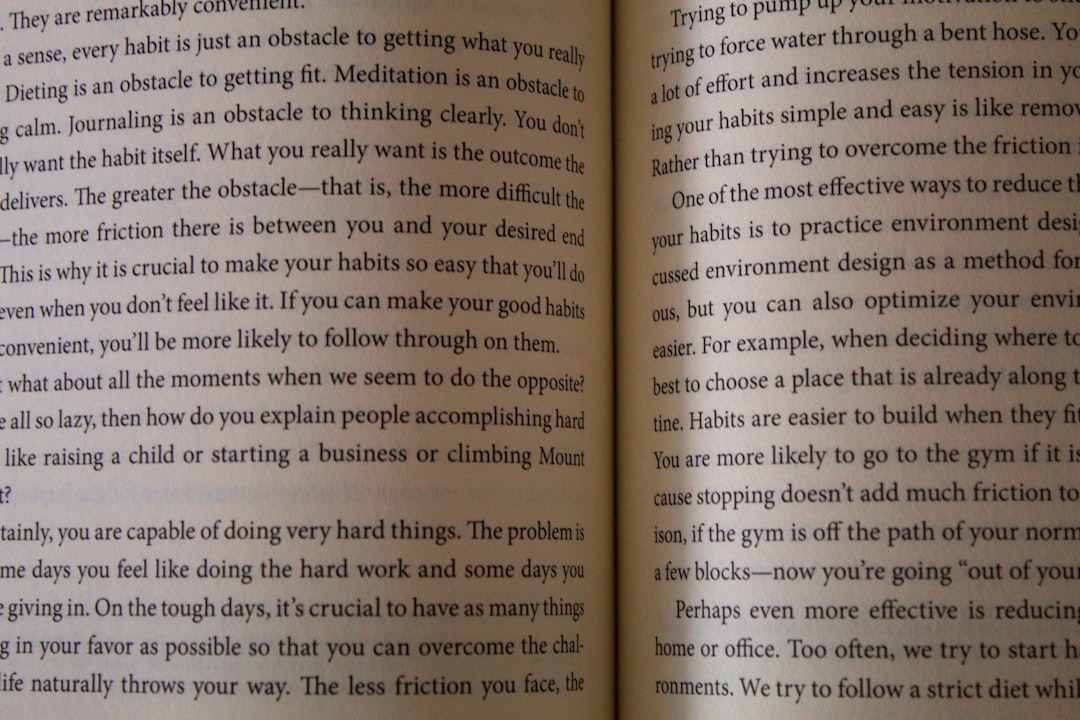
My sister had her first baby this spring, and somewhere around week three of no real sleep she picked up a parenting book about infant sleep windows that every other new parent in her group chat swore by. She got to chapter four on a Tuesday, read it start to finish, and by Thursday could not tell me one thing that it said about wake windows, so she read chapter four again, and then a third time over the weekend. The top corner of that page had been folded over so often that it had gone soft. She laughs about it more than she winces now, and she calls the whole episode her personal Groundhog Day whenever it comes up in conversation. Watching her flip back to that same page a third time frustrated me more than it frustrated her, mostly because I had nothing useful to hand her besides patience. None of it made her forgetful in any permanent sense, and none of it said anything about her as a reader, since three weeks earlier she had finished a two hundred page novel on a plane without blinking. What it said is that three weeks of broken sleep were sitting on top of her short-term memory, and the reader underneath all of that was still entirely intact.
Foggy Days and Clearer Days
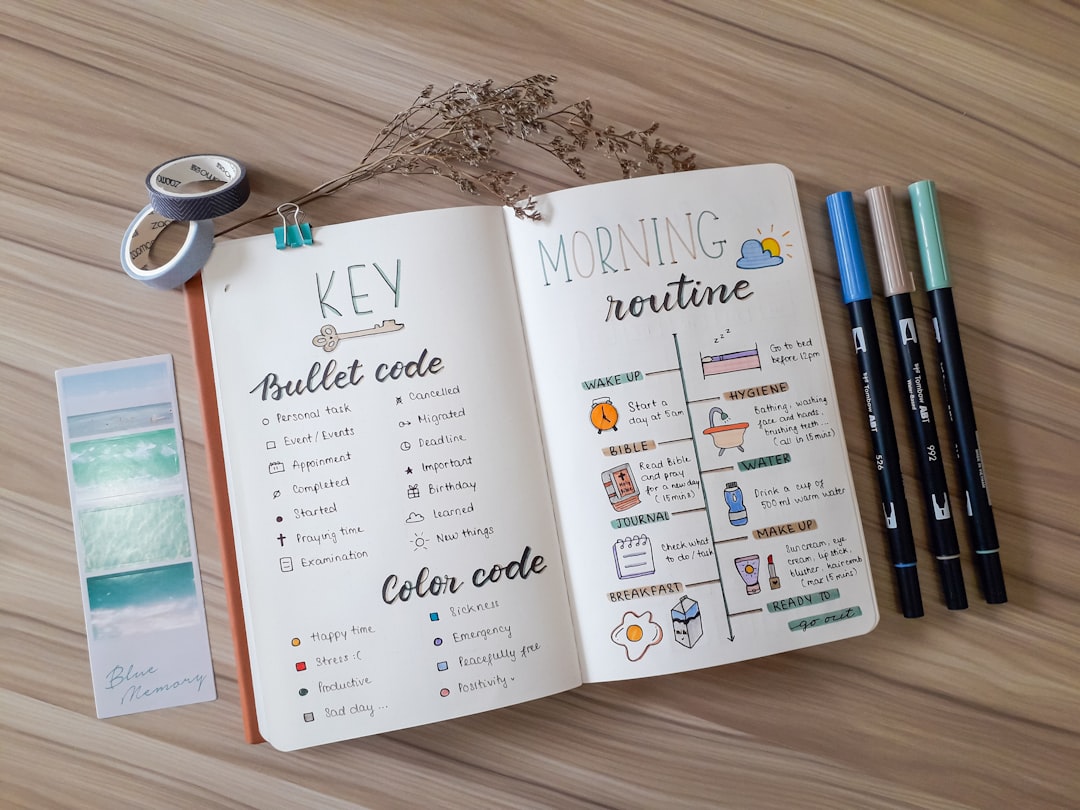
One theme comes up constantly in how people talk about this, and it matters more than any single bad afternoon does: the fog moves. People track fog levels the way you might track weather, with heavy days and clearer days, and the same book that felt like wading through treacle on Monday can read fine by Thursday. That fluctuation is the whole point, because one hard day here does not predict tomorrow, and treating a single foggy afternoon as the new permanent baseline gets the shape of the problem wrong. It also explains one trait the workarounds people keep all share: each of them fits a moving target. The pacing logic that chronic-illness communities use for physical energy shows up in reading too, in five to fifteen minute bursts with real rest in between, so a chapter gets finished across three sittings. Graphic novels and shorter chapters help on the days when visual scaffolding can carry part of the load, and leaving the subtitles on means the ears are not doing the entire job by themselves. A common refrain in these spaces makes the point better than I can: audiobooks still count, rereading still counts, and a book you never finish still counts as reading it.
The Part You Don't Have To Hold Onto Yourself
Here is the piece that changes the day-to-day math, and it has nothing to do with reading harder or longer. The testing effect is the finding that actively recalling something holds it far better than rereading it ever will, and that recall still does its work hours later in the day, long after the reading itself is over. Nothing about the finding requires the reader to be the person who remembers to run the test, which is the entire reason that the remembering can be handed off to something else. BrainRetain is a memory habit tool built around that handoff, and some people who read through fog find the structure of it friendlier than the alternatives they have tried. You collect the article, the podcast episode, the video, or the book chapter the moment you finish it, in whatever state your head happened to be in right then. The app turns what you collected into spaced review and a short recap quiz at the end of the day, across everything you took in. There are no flashcards to build on a day when building anything at all sounds exhausting.
It Still Counts
I am not going to tell you that BrainRetain fixes brain fog, because it does not, and any app claiming to reverse whatever is going on underneath the fog is selling you something. What it does is much smaller and more useful than that: the parts of a foggy reading session that did land get somewhere to go, and they are still there after dinner because something else was holding them. My sister still rereads chapter four sometimes, and that is completely fine by me. She no longer has to be the only system responsible for remembering that the chapter existed in the first place. If today is a treacle day, collect whatever does get through anyway and let the end-of-day recap quiz do the part your tired brain should not have to carry alone. It still counts today too.