


You reach the bottom of the page and realize you read none of it
You get to the bottom of a page, and you understand, with a small sinking feeling, that your eyes finished it while the rest of you wandered off somewhere around the second paragraph. You were technically reading the whole time, and none of it landed anywhere you can reach now. Anyone can lose a page this way, and with ADHD it happens more often and bites harder, because attention is the exact resource the page was taxing. If you have been searching for how to retain information with ADHD, you already know the autopilot feeling I mean, and you are tired of rereading the same paragraph four times over.
Forgetting is the default, and attention is the toll you pay to beat it

Memory of anything new fades on a predictable schedule, which a German psychologist named Hermann Ebbinghaus mapped in the 1880s by drilling himself on nonsense syllables and timing how fast they leaked away. The line he drew, the forgetting curve, drops steeply within a day and keeps sliding gently after that. It applies to every brain on earth, and the part that matters for ADHD sits one step earlier than the curve itself. To remember a sentence later, you first have to encode it, which takes a beat of focused attention the page never grabbed while your mind was three rooms away. With ADHD that beat is harder to summon on command, so more of what you read never gets encoded and there is nothing left for the curve to act on.
The reread is the move that feels like effort and changes the least
The reflex, the second you feel a paragraph slip, is to drag your eyes back up and read it again, hunting for the spot where you fell off. It feels like diligence, because the words look familiar on the second pass. Our minds are quick to mistake recognizing a sentence for being able to produce it later, and those two skills come apart more than you would expect. What actually moves an idea into lasting memory is the harder move of looking away from the page and pulling the idea back out of your own head. That small act of retrieval, even when it comes out clumsy and half-formed, is one of the most replicated findings in memory research, and it goes by the name the testing effect.
The second half of the engine is timing, which researchers call spaced repetition. It means spreading those acts of recall across days rather than stacking them into one sitting, and each time you reach for the idea just as it begins to fade, pulling it back resets the curve a little higher. Recall paired with spacing is the entire mechanism, and almost everything else marketed to you about studying is ornament bolted onto those two moves.
My friend Sam and the index card clipped to the steering wheel
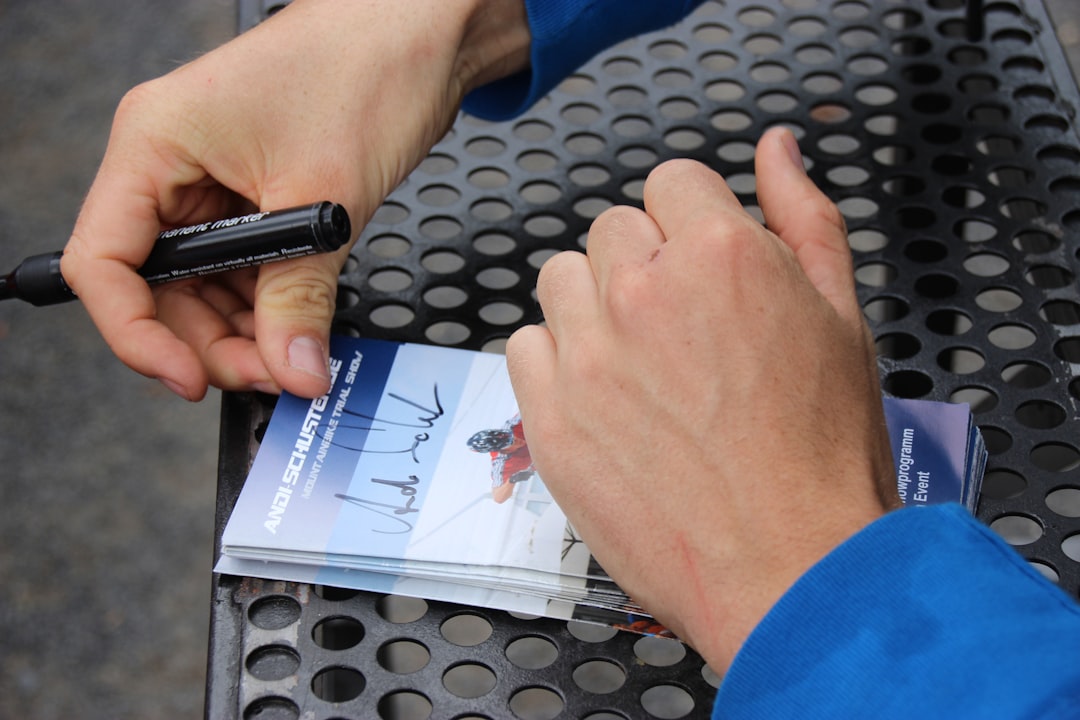
My friend Sam has ADHD, runs a two-van appliance repair business, and reads more nonfiction than anyone I know, mostly audiobooks at 1.4x speed between service calls. He told me once that finishing a book used to feel pointless, because by the next job he could name the title and almost nothing else, and that gap made him wonder why he bothered at all. The thing that changed it was so low-tech it embarrassed him, a single index card clipped to his steering wheel, where after each chapter he scrawls one sentence on what he wants to keep, then covers it at the next red light and tries to say it from memory. He is not a person who sits still for a study system, and that is the whole point of it. The card meets him inside a life that does not pause, and the version of Sam who closes it and reaches for the idea keeps a surprising amount. The only thing he ever changed was adding the asking.
I think about Sam whenever someone tells me they "just can't read with ADHD," as if the diagnosis were the verdict and the conversation were over. The reading was never really the problem for him, and the keeping was, and keeping runs on a step that focused, neurotypical readers skip too and get away with by luck.
What to try today, before this slides off the page like everything else

The do-it-today version is small enough to start with the next thing you read or watch or listen to, which matters, because a fix you will not do is not a fix at all. The first instruction is the counterintuitive one: do not reread it. Instead, close it and, without peeking back, say or jot the one or two ideas you most want to keep, in your own plain words. It will feel slightly awkward and a little effortful, which is the exact sensation of the thing working rather than failing. Then bring that same idea back tomorrow, and once more a few days after that, so the spacing lands each recall just as the memory starts to thin out.
The part that becomes a second job, and the part worth handing off
Here is the honest catch, and it lands twice as hard with ADHD, that doing all of this by hand, for everything you read and watch and hear, slowly turns into a job made entirely of remembering to remember. You have to recall the material, remember to test yourself later, and remember to space those tests across the week, which is three new chores stacked on the one you started with. That is precisely the kind of open-ended self-managed system, whether it is a paper notebook or a note-taking tool like RemNote, that an ADHD brain abandons by Thursday, and I say that with sympathy rather than judgment, because most people abandon it regardless. Removing that overhead is the reason brainretain exists at all. You Collect the things you consume as you go, the articles and videos and podcasts and books, and the app builds the spaced recall for you and gathers everything into one end-of-day recap quiz across every format, with no flashcards to make and no streak to babysit. The effortful part, pulling an idea back out of your head, still has to happen, and the only thing it takes off your plate is the remembering-to.
The page was never the problem worth solving
We have half-convinced ourselves that reading carefully is the same thing as keeping what we read, and I do not believe it is, for any brain and least of all for an ADHD one. Careful reading is good at getting an idea into your head for an afternoon, and holding it a month later runs on retrieval and spacing no matter how many times your attention drifted off the page. The reassuring part is that this is a learnable skill and a far lighter load than the rereading you are probably grinding through right now. So try the small test tonight: pick one thing you read today, and tomorrow, before you look anything up, see how much you can rebuild from memory. If you would rather have the asking handled for you, so the reading actually stays put, that is the job we built brainretain to do.