


The chapter I read three times and still could not explain
My old intro economics textbook has a chapter on elasticity that I read three separate times in one week, and by the third pass the pages were more yellow than white. I could recognize every sentence in it on sight, and that recognition felt exactly like knowledge. I could tell you which paragraph the graph interrupted and which term the author had bolded twice, and none of it helped me when the exam asked what elasticity does to a seller's revenue. That gap between recognizing a page and rebuilding what it said is the entire problem, and it is why students search for how to remember what you read in textbooks after a semester of honest work. My reading was careful and my attention held steady, and neither of those was the missing piece. What I never did was put myself in a position where I had to produce the idea with the book closed.
Rereading is the most popular study method and one of the weakest
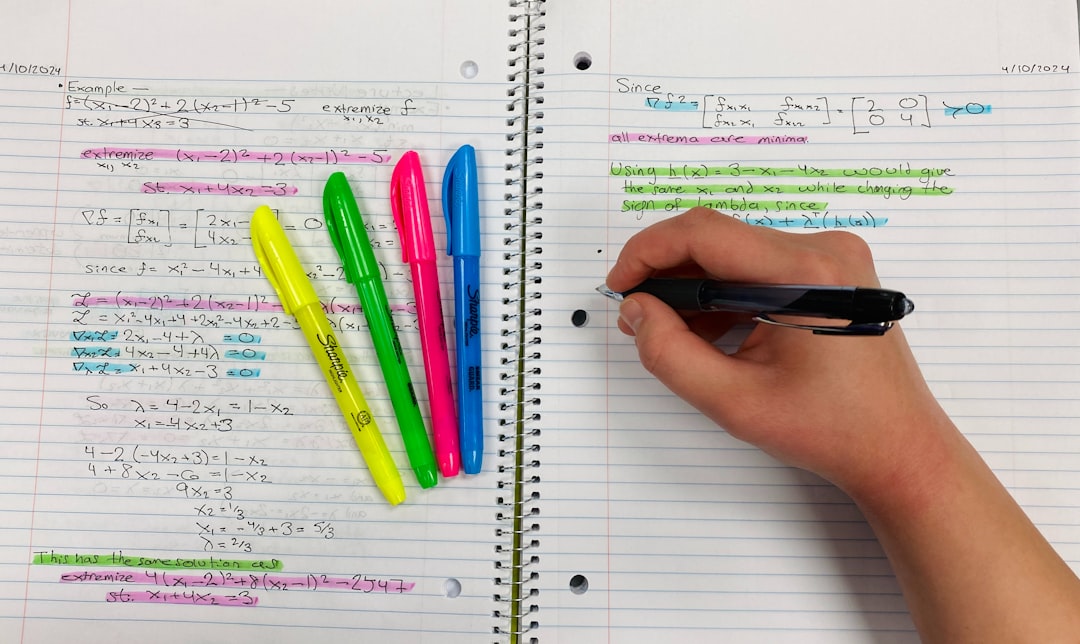
When researchers ask students how they prepare for exams, rereading the chapter comes back near the top of the list, which makes sense because it is the most obvious thing to do with a book you already own. In 2013 a team led by John Dunlosky reviewed ten of the most common study techniques and sorted them by how well the evidence actually supported each one. Rereading and highlighting landed in the low-utility group, while practice testing and distributed practice landed at the top (Dunlosky et al., Psychological Science in the Public Interest). That ranking surprises almost everyone I mention it to, including me the first time I read it. Rereading is comfortable, it fills a study block convincingly, and it produces the sensation of the material getting clearer with every pass. That sensation is the trouble, because growing familiarity with a page tells you almost nothing about whether you could reconstruct its argument on a blank sheet next Thursday.
The forgetting curve does not care how carefully you read
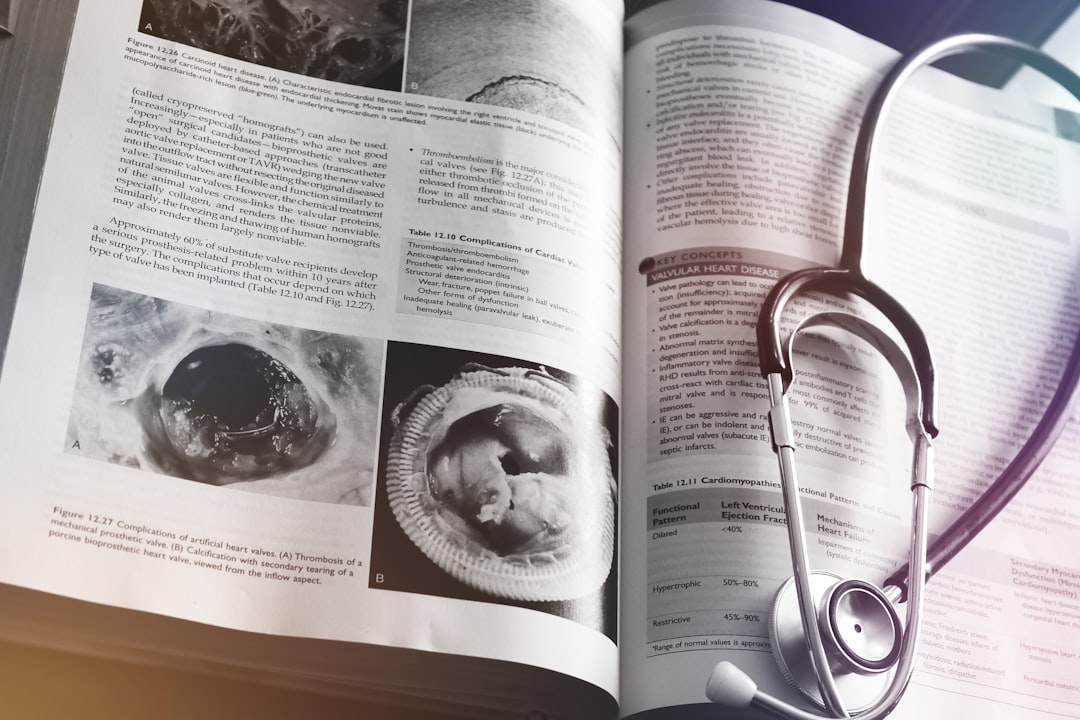
In the 1880s, Hermann Ebbinghaus memorized long lists of nonsense syllables and tested himself at intervals to measure how fast they drained back out of him. The pattern he traced is called the forgetting curve, and it shows memory for anything new falling off steeply within a day or two, then sliding more gently for weeks after that. A textbook is exposed to that decay in a particularly unkind way, because a course keeps adding chapters while the early ones erode from behind, so chapter two is already rotting by the time midterms arrive. What bends the curve is retrieval practice, which means pulling a fact back out of memory instead of putting it in again. The benefit has a name in the research, and that name is the testing effect. Henry Roediger and Jeffrey Karpicke demonstrated it in 2006 using exactly the material that matters here, prose passages of the kind textbooks are built from (Test-Enhanced Learning, Psychological Science). Students who restudied a passage predicted they would remember it better a week later than students who took a short recall test on it instead. The prediction held up for about five minutes. On the delayed tests, the tested students retained substantially more, and the restudying group's extra confidence turned out to be the least reliable thing in the experiment.
Two habits are hiding inside that result, and both of them are cheap. The first is retrieval, closing the book and answering from your own head. The second is spacing, which means spreading those small acts of recall across days instead of stacking them into one long evening. Robert Bjork's work on desirable difficulties describes why the combination feels so wrong while you do it, since the conditions that make studying harder in the moment are often the ones that make the memory durable (Bjork Learning and Forgetting Lab).
My friend Priya and the page with one unhighlighted sentence
My friend Priya is in nursing school, and her textbook system is impressive to look at. She reads with four highlighters lined up on the desk: yellow for definitions, pink for mechanisms, green for anything the professor said out loud in lecture, and orange held in reserve for what she is certain will be on the exam. Her pathophysiology textbook runs well past a thousand pages, and there is a chapter on acid-base balance where one page ended up with exactly one unhighlighted sentence left on it, which she found funny enough to photograph and send me at midnight. She read that chapter twice before the exam and did fine on it. Two months later, on a rotation with a patient whose numbers pointed toward a compensating metabolic problem, she could picture the page, the four colors, and where the table sat on it, without recovering the rule the table explained. Nothing about that came from being underprepared or from being careless about the material. She had rehearsed recognizing that page a dozen times and had never once rehearsed retrieving what it claimed, and those two skills feel identical while you are studying. It is the same wall she hit years earlier with the anatomy sets from her prerequisite courses, which is part of why she went looking for something that came back to her on its own.
I have a small theory about used textbooks that I cannot prove and enjoy anyway. Every secondhand book I bought in college arrived pre-highlighted by a stranger, and the highlighting always petered out somewhere around chapter four. Somebody paid full price, marked up the first eighty pages with real conviction, and then sold the book back. The marks outlast the memory of them by about a decade.
What to do with the chapter in front of you tonight
The version you can start on tonight's assignment costs roughly two minutes per section and requires no new supplies. When you reach the end of a section, close the book and write down the three things that section claimed, in your own sentences, without looking. The blurting method is this same move performed on a whole chapter at once. Then reopen the book and check what you got wrong, because the checking is where the correction actually lands. It will feel slower and less pleasant than reading the pages again, and that discomfort is the signal that something is happening. Then bring that same section back tomorrow for thirty seconds, and again a few days after that, so chapter two stays alive while you are busy reading chapter nine.
If you would rather not write anything down, saying the idea out loud to nobody in particular works too. The requirement is that the idea comes out of your head before you look at the page.
The bookkeeping is what makes people quit
Running this by hand across a full semester turns into a scheduling job stacked on top of the actual coursework. You have to track which chapters you have already quizzed yourself on, decide when each one is due for another pass, and fit those passes around the lab reports and the three other courses that are also assigning reading. Plenty of students abandon the whole system a few weeks in, and what defeats them is the workload of running it, since the method underneath keeps working fine for anyone who can hold the schedule together. Removing that bookkeeping is the entire reason we built brainretain in the first place. You Collect a chapter when you finish it, the same way you would Collect an article or a lecture video, and the app turns it into spaced review timed against the forgetting curve, with no flashcards to build. At the end of the day it pulls everything you took in into one recap quiz covering the chapter, the assigned article, and the video together, so your review stays one short thing instead of a growing backlog per subject.
A highlighted chapter is a receipt
School taught most of us that a marked-up, twice-read chapter means the material is in, and after enough exams where the page came back to me while the point stayed gone, I don't believe that anymore. A highlighted chapter is a receipt proving you were there. The remembering happens in the few seconds when you look away from the book and try to say what it argued, and it lasts when those seconds come back around across days. So try it on tonight's reading: finish one section, close the book, and write what it claimed in three sentences of your own. If you would rather not run the scheduling side of that by hand across four courses at once, that is the job we built brainretain to do.