
The folder is full and you feel worse every time you open it
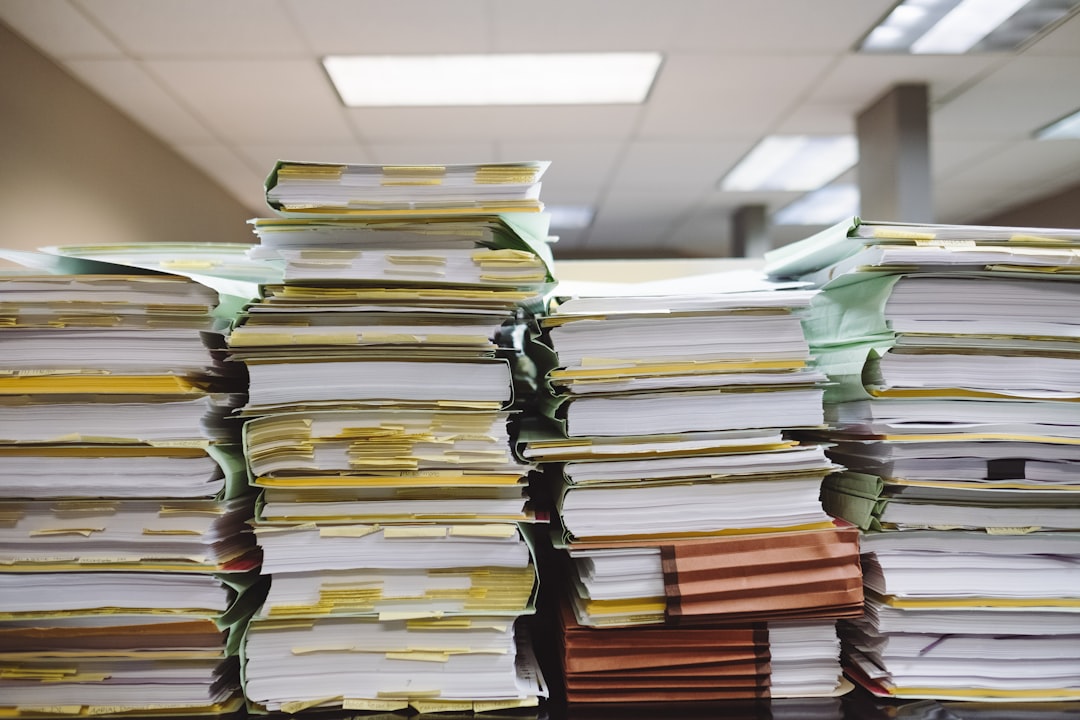
My read-it-later folder has 412 things in it right now. I know the exact number because I checked this morning and felt a small drop in my stomach. Most of those links I will never open again, and some of them I have already half-forgotten saving, which is its own little defeat. There is an article in there about Roman aqueducts I have re-saved three separate times, convinced each time that this was the week I would finally read it. If you have ever searched for what to do about too many saved articles you never read, you already know the feeling, and you probably have a folder of your own.
The thing nobody tells you is that the guilt is the wrong response, because the saving itself was never the part that was going to teach you anything. We built tools that make collecting frictionless while leaving the learning exactly as hard as it ever was, so the pile grows on one side while the actual knowing barely moves on the other. None of that makes you lazy or scattered. It means you fell for something with a name, and the name is oddly comforting once you hear it.
Saving is not keeping, and the trap has a name
A productivity writer named Christian Tietze called it the collector's fallacy. It is the half-conscious belief that gathering a piece of information is roughly the same as having learned it. Saving the article gives you a small hit of progress, a sense that the idea is now safely yours, so the urge to actually read it drains away the instant you tap the button. To know about something and to know it are two different states, and the folder is wonderful at the first one while doing nothing for the second. This is how a bookmarks list swells into the hundreds and leaves you no smarter, because the brain treats filing a thing away as a tiny finish line all its own.
My dad, the master collector, and the folder of 600

My dad has a browser folder he named "to read" sometime around 2014. The last time he let me look, the count was just past 600 links. He is a retired civil engineer and the most curious person I know, and he forwards me articles constantly with a one-line "thought of you" on top. The folder is sorted into subfolders, which is the detail that gets me, because he has spent real effort organizing material he has not read. When I asked him about a piece on bridge collapses he had saved, one squarely in his old field, he could not tell me a single thing it argued. He remembered saving it and meaning to read it carefully. He had mistaken the saving for the studying, the same way I do, and he had done it six hundred times with the patience of a man who builds things that last.
I love him for it, and I see exactly where I get it from. The folder is not a character flaw, and it is not even really a problem of willpower, because no amount of grit makes a stored link turn into a memory on its own.
What to do tonight, with one link instead of four hundred

Here is the move, and it works on a single article rather than the whole intimidating pile. Open one thing from your graveyard tonight, just one, and read it the normal way with no pressure to be clever. Then close the tab, and before you reach for the next link, say out loud or write down the two or three things you most want to keep, in your own words, without peeking back at the text. That act of pulling the idea out of your own head is the entire engine of memory, a finding so well replicated that researchers gave it a plain name, the testing effect. It beats rereading by a wide margin every time it is measured. Then bring that same idea back tomorrow, and once more a few days later, so each return lands just as the memory starts to fade.
That spacing across days is the second half of the mechanism, and it has a name too. Hermann Ebbinghaus mapped the forgetting curve in the 1880s by memorizing nonsense syllables and tracking how fast they leaked back out of his own head. What he found, and what a century of work has confirmed, is that new material drops off steeply within a day or two unless something interrupts the slide. Recall spaced across days is the cleanest interruption there is, and a single read almost never manages it.
You should not have to run that whole loop by hand
The honest catch is that doing all of this manually slowly becomes a second job. For every article you save, every video you queue, and every podcast you half-finish, you have to remember what you read, remember to test yourself later, and remember to space those tests across the week, and almost nobody keeps that going for long. That gap is the reason brainretain exists in the first place. You Collect the things you actually consume as you go, the articles and videos and podcasts and books, and the app turns them into spaced reviews timed against the forgetting curve. At the end of the day it gathers everything into one recap quiz that pulls across all of it at once, in any format, with no cards for you to build. The work that makes a memory stick still has to happen, and the only thing the app removes is the part where you have to remember to do it.
The graveyard was never going to read itself
The reframe worth keeping is that a saved article is a promise to your future self. A folder full of them is a stack of promises you were never given a way to keep. You do not need to feel guilty about the pile, and you do not need to delete the whole thing in a fit of shame either. You need a way to close the loop on the few pieces that actually matter, by reading them and then making yourself recall them on a schedule that fights the forgetting instead of feeding the hoard. So pick one link from your own graveyard tonight and read it, and tomorrow see how much of it you can rebuild from memory before you look. If you would rather have the recalling handled for you, so the things you save finally turn into things you know, that is the job we built brainretain to do.