
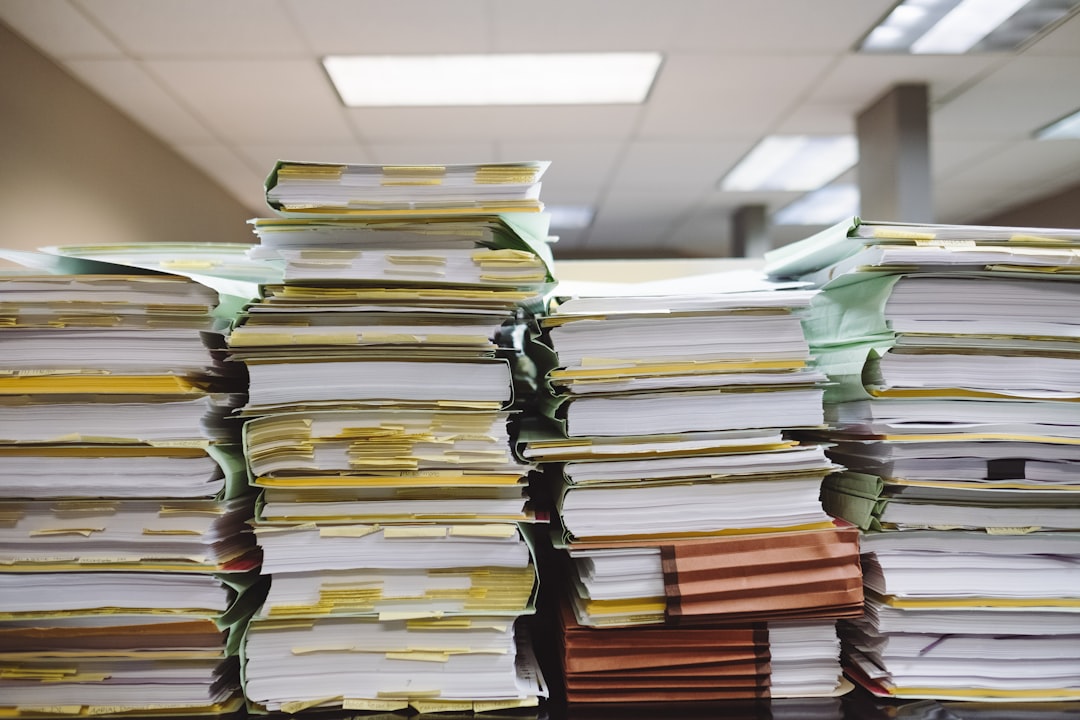
My read-later list had 383 things in it and I had read maybe nine
A while back I opened my read-later app and saw the number 383 sitting at the top, and I realized I had read maybe nine of those articles in the whole year I had been hoarding them. The rest were a graveyard of good intentions, titles I had tapped Save on the way you tip a doorman, a small payment to feel like I had done something about a thing I cared about. If you have ever searched "i save articles and never read them" with that exact flavor of self-disgust, then we are the same kind of person, and I want to walk you through the loop that finally got me out of the pile.
Saving feels like reading, and that is the trap
Nobody warns you that the save button hands your brain almost the same little reward that finishing the article would. That is the whole reason the list keeps growing while the reading never happens. Psychologists have a tidy phrase for the gap I kept falling into, the difference between recognition and recall, and the save button lives entirely on the recognition side. When you tap Save, your mind logs the topic as handled, because you recognized the piece mattered and you took an action. The problem is that recognizing a headline and pulling its argument back out of your head later are two different skills, and saving only ever trains the first one.
My dad has a browser with ninety-one open tabs

My dad is sixty-three and recently got very into longevity research, which means his phone now carries ninety-one open tabs he refuses to close. Each one is something he swears he will read properly this weekend. I watched him scroll past the same tab on Mediterranean diets four separate times during one dinner, squinting at the little favicon, nodding as though the nod itself counted as progress. He is not a careless man, and he raised three kids while running a small flooring business. The conditions were the problem, because an open tab and a saved article are both bets that some calmer future version of you will show up with an hour to spare, and that person almost never arrives. His tabs were doing for him exactly what my 383 articles were doing for me, standing in for the reading rather than leading to it.
I do a softer version of the same thing, and I cannot even blame a longevity phase for mine. For a long stretch I treated saving an article as a bookmark for my own curiosity, proof that I was the kind of person who cared about hard topics. The folder felt like a personality, and it was mostly a museum of things I would never once look at again.
Read one now, then make it come back to you
The fix that finally worked started with a small and humbling rule. I am no longer allowed to save an article unless I am willing to read it in the next ten minutes. When something really interests me I read it right then, and the moment I finish I close it and say the single main point out loud, in my own plain words, as if a friend across the table had asked me what it was about. You feel the gaps the instant you try, and that uncomfortable reaching is the whole mechanism, because the effort of pulling an idea back out of your head is what tells your brain the thing is worth keeping. Researchers call it the testing effect, and it is one of the most reliable results in the study of memory. Then I bring the same idea back the next day, and once more a few days after that, so each attempt lands right as the memory starts to fade, which is the slow magic that spaced repetition runs on.
You should not have to be your own librarian
The honest snag is that doing all of this by hand, across every article and video and podcast you actually finish, slowly turns into a second unpaid job. You have to read the thing, then remember to test yourself on it later, then remember to space those tests across the week without a single reminder. Most people abandon the whole system somewhere around the third day, myself very much included. Closing that gap is the reason brainretain exists in the first place. You Collect the things you actually consume as you go, the articles and videos and podcasts and books, and the app builds the recall for you. It times the reviews against the forgetting curve and ends each day with a recap quiz that pulls from everything you took in, no flashcards to build and no wall of unread tabs glaring back at you.
The pile was never really about reading
The belief I had to put down was that a long list of saved articles meant I was curious and serious. All it ever measured was how often I tapped a button instead of doing the reading. A saved article you never open is not knowledge waiting patiently for you, and it is not even really a plan, because the version of you who saved it and the version who would have to read it rarely meet. So try the small swap this week, where you read one thing now and let the rest of the pile sit. If you would rather have the remembering handled for you, so the pieces you actually read this week are still with you next week, that is the job we built brainretain to do.