


Typing "readwise alternative" into a search bar at midnight
You are probably here because the renewal notice hit your card again, or because you finally opened the Daily Review email after three unread weeks and felt the specific guilt of paying monthly for a habit you had stopped keeping. That instinct to look for something cheaper is a reasonable one. A subscription you barely open is a bad deal no matter how good the idea behind it is, and the idea behind Readwise, that your old highlights deserve a second look before you lose them, happens to be a good one. The problem was never the concept, and it was always the price tag attached to a habit most people only sustain for a few weeks at a stretch.
What Readwise actually does, and where the fee lives
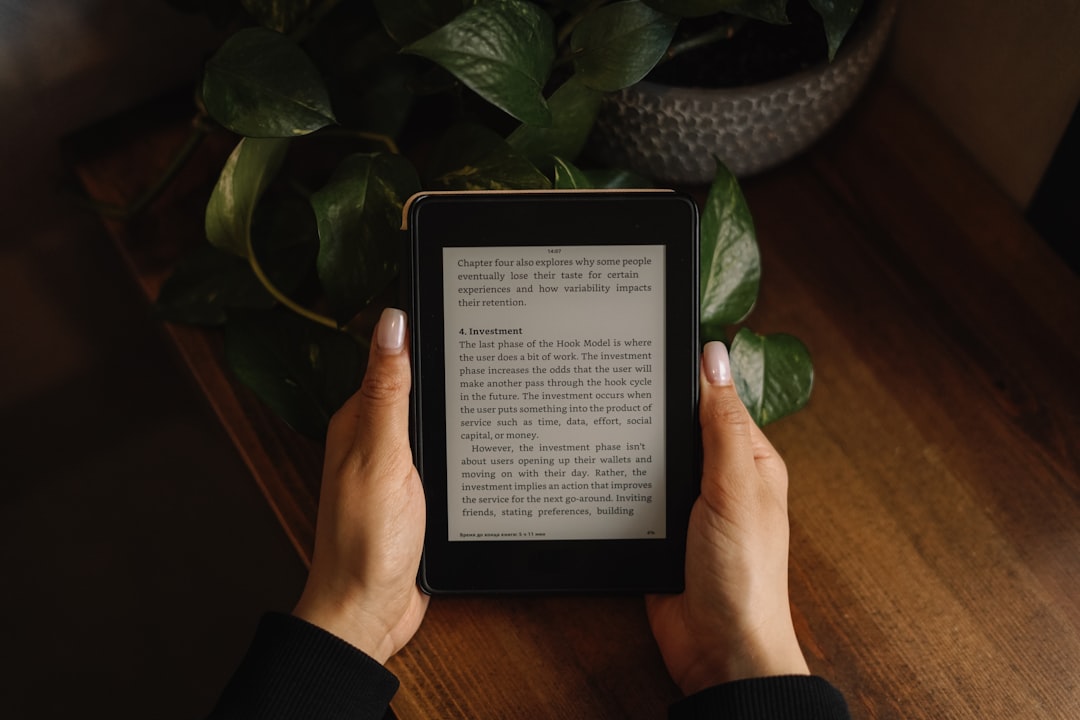
Readwise built its name on one feature: a Daily Review email that pulls the passages you highlighted in books, articles, and Kindle exports back into view on a schedule built around spaced repetition. Spaced repetition is the practice of reviewing something you are trying to remember at increasing intervals, timed just before your memory of it would naturally fade. Each review both refreshes the memory and pushes the next forgetting point further out, which is why the technique shows up in language apps and med-school study tools as much as it does here. That review feature sits behind a paid plan, generally somewhere in the eight-to-ten-dollar-a-month range if you commit to a year and more if you pay month to month. The company also built Readwise Reader, a separate app for saving and reading articles, and the two products have been bundled and unbundled in different ways over time. Check the current pricing page before you assume what is included, because it has moved before.
The part that was never really about highlights
Here is the thing nobody selling a highlights tool wants to say out loud. Highlights are not the only thing you consume, and they were never the hard part of remembering in the first place. You highlighted that passage because it mattered to you in the moment, which means the noticing already happened before the app ever entered the picture. What you actually forget is the podcast you half listened to on a commute, the video a coworker sent you at lunch, or the library book you finished and returned before it occurred to you to mark anything in it at all. A tool built entirely around resurfacing highlighted text can only work on the sliver of your reading you remembered to highlight, and for most people that sliver is small next to everything else moving through their head in a given week. Most people's highlight exports read like a museum of good intentions nobody visits twice. I say that having exported my own more than once, promised myself I would finally build a system around it, and then let the file sit untouched like every habit I have started and abandoned by the second week.
My uncle, four thousand articles, and a highlight habit that lasted eleven days

My uncle is a retired civil engineer who reads constantly, mostly nonfiction about infrastructure and history, and I have written before about the Pocket library he kept for years that topped four thousand saved articles before that app shut down. After he moved his reading queue somewhere new, a friend told him Readwise would fix the part where he read good books and remembered almost none of them a month later. He signed up right away, excited about the idea. He started highlighting on his Kindle and got his Daily Review email every morning for eleven straight days. Then a work trip interrupted the streak. The emails piled up unread in a folder he had created specifically to feel less guilty about them, and by the time I asked him about it he was paying monthly for a review he had not opened in six weeks. He told me the highlights themselves were fine, and what actually broke was the discipline of opening one more email every single day, on top of the one from his job, for a system that only paid off if he never once missed it.
The fix that does not depend on you remembering to check an inbox
The move that actually holds up is smaller than switching apps. Build one point in your day where everything you took in gets tested at once, instead of scattering the job across a highlights email, a reading app, and whatever half-formed system you use for podcasts and video. A daily recap quiz earns its keep over a review email for one specific reason. A quiz you take once, at the end of the day, covering the article, the video, and the audiobook chapter you consumed, asks you to produce the answer yourself rather than glance at a passage and nod along. That act of pulling an idea back out of your own head, instead of just recognizing it when it is placed in front of you, is what researchers call active recall. It is a stronger driver of memory than rereading a highlight ever was, and it is the gap Readwise's highlight-only model leaves wide open. It is also the gap brainretain was built to close. You Collect the articles, videos, podcasts, and books you consume as you go, across every format you actually use, and instead of a separate email to check, you get one recap quiz at the end of the day that pulls from all of it together with no flashcards to build by hand.
The habit was always the expensive part
I will say plainly that I do not think the Readwise model is a scam or even a bad product, because it solves the highlight problem competently and does exactly what it claims to do. If all you consume is books with a Kindle in hand, fair enough. That narrow tool may be the right one for that specific job. My honest opinion is that most people's actual reading life is messier than a single format, and a monthly fee to review only the slice of it you remembered to highlight was always going to leave the rest of what you consumed to rot in the same forgetting curve as everything else. If you want the same daily habit of pulling old material back into memory, minus the recurring charge and minus the assumption that everything worth remembering arrived with a highlighter already in hand, try brainretain for a week. See whether one quiz a day does more for what you actually consume than an email you were already letting pile up unread.